A Detailed Consider the Setup Process of Welding Evaluation Techniques
Welding examination is a critical procedure that guarantees architectural integrity and safety. The installation of inspection strategies involves several methodical actions, each essential to achieving dependable results. From preparation and device choice to conducting visual and non-destructive tests, each stage demands cautious interest. Comprehending these treatments can significantly boost high quality assurance in welding tasks. What obstacles occur in implementing these methods, and just how can they be properly resolved?
Comprehending the Value of Welding Evaluation
Welding assessment is an important part of ensuring structural stability and safety in building and manufacturing procedures. This technique includes reviewing welded joints for flaws, guaranteeing that they meet details requirements and policies. By systematically determining weld quality, examiners can determine problems such as cracks, spaces, and incomplete blend, which can endanger the toughness and durability of frameworks.
The importance of welding assessment prolongs past prompt safety and security worries; it assists prevent pricey failures and possible hazards in the long-term. Efficient examination methods foster conformity with sector requirements, consequently improving the total integrity of bonded parts. In addition, a robust examination process adds to keeping the track record of suppliers and contractors, as it guarantees customers of the quality of their projects. Ultimately, understanding the significance of welding examination is vital for promoting secure construction practices and ensuring the durability of crucial infrastructure and products.
Picking the Right Devices for Examination
When selecting the ideal tools for evaluation, it is important to ponder the details requirements of the welding procedure and the products entailed. Various evaluation techniques, such as visual, ultrasonic, and radiographic testing, demand distinct devices customized to their unique demands. For aesthetic evaluations, tools like magnifying calipers and glasses are important for reviewing weld top quality. Ultrasonic screening needs specialized equipment with the ability of sending and obtaining acoustic waves to find internal defects. Radiographic testing, on the other hand, makes use of X-ray or gamma-ray sources alongside delicate movie or electronic detectors to disclose incongruities.
Additionally, personal safety tools (PPE) is vital to ensure the safety of inspectors throughout examinations. Picking the right devices not only enhances the accuracy of evaluations but likewise adds to the general honesty and safety of the welding task. Subsequently, a complete understanding of offered devices and their applications is imperative for efficient welding inspection.
Getting ready for the Evaluation Refine
Prior to initiating the examination process, it is necessary to establish a complete strategy that outlines the scope and objectives of the analysis. This strategy ought to include specific criteria that define what comprises acceptable quality in the welding work being evaluated. Identifying the pertinent codes and criteria is vital, as they will guide the assessment criteria and techniques.
Additionally, employees included in the evaluation should be effectively trained and accredited in welding examination methods to assure dependability and accuracy. A checklist can be beneficial in organizing the different aspects of the inspection, ranging from devices readiness to environmental conditions that can influence the assessment.
Finally, logistical considerations such as scheduling, available resources, and interaction in between team members ought to be addressed. By preparing systematically, assessors can enhance the effectiveness of the examination and guarantee that all essential factors are appropriately considered before waging the inspection itself.
Carrying Out Aesthetic Inspections

Performing aesthetic inspections is a vital action in the welding assessment procedure, requiring mindful prep work to guarantee effective assessment. Examiners should recognize with vital flaw indications that can indicate potential problems in weld top quality. By concentrating on these elements, one can improve the general integrity of the examination outcomes.
Planning For Visual Evaluation
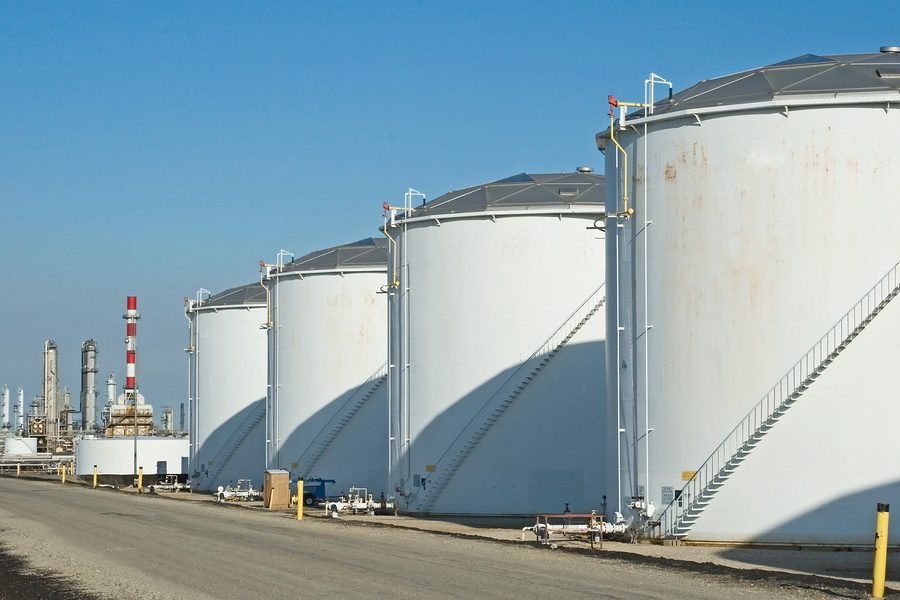
Visual evaluation acts as an essential primary step in the welding examination process, guaranteeing that any possible issues are recognized early (API 650 Welding Inspection). Appropriate preparation is important for efficient aesthetic examination. Inspectors ought to begin by evaluating appropriate documents, including welding treatments and specs, to comprehend the task requirements. They have to gather necessary tools, such as magnifying glasses, flashlights, and suitable personal protective tools (PPE) An extensive examination of the inspection area is essential; examiners should confirm it is totally free and clean of blockages. Additionally, it is very important to develop ideal lights conditions to improve presence of welds. By taking these preparatory actions, examiners can create an atmosphere conducive to identifying disparities and assuring the honesty of the bonded structures
Trick Problem Indicators
An extensive understanding of vital flaw indications is vital during aesthetic inspections to assure the quality and safety and security of welded joints. Assessors ought to concentrate on specific signs such as fractures, porosity, undercuts, and insufficient fusion. Cracks might show up as sharp lines and can endanger structural stability. Porosity shows up as tiny openings that can damage weld stamina. Undercuts, which are grooves along the weld side, can result in tension focus. Incomplete combination suggests that the weld metal did not appropriately bond with the base product, causing a weak joint. By methodically identifying these defects, assessors can ascertain compliance with market criteria and improve the overall integrity of welded frameworks, inevitably adding to safer functional conditions.
Carrying Out Non-Destructive Testing Strategies

Countless non-destructive testing (NDT) strategies are important to assuring the honesty of welded structures without jeopardizing their functionality. These techniques permit examiners to review weld top quality and find problems without creating damages to the products being tested. Common NDT strategies consist of ultrasonic screening, radiographic screening, magnetic particle testing, and color penetrant testing. Each technique offers a certain objective, attending to various kinds of defects such as fractures, porosity, or incomplete fusion.
Implementing NDT strategies requires an organized approach, starting with selecting the suitable method based on the materials and the nature of the weld. Training employees in these strategies is essential for precise outcomes. In addition, developing clear treatments and criteria warranties uniformity throughout the examination procedure. By integrating NDT right into the welding assessment operations, organizations can enhance the dependability of their products while minimizing possible dangers linked with structural failures. This positive technique ultimately adds to preserving safety and Visit This Link high quality requirements in welded buildings.
Documenting and Evaluating Inspection Results
Reliable documents and evaluation of evaluation results are important components of the welding inspection procedure. Exact records of evaluation findings work as a referral for quality control and compliance with sector criteria. API 650 Welding Inspection. Examiners should make use of organized kinds or electronic systems to log details such as the kind of weld, inspection methods employed, and any kind of inconsistencies identified throughout the examination
Extensive analysis is essential once information is gathered. This entails comparing outcomes against developed requirements to identify fads or persisting issues. Analytical tools might be utilized to measure defects and analyze their effect on overall weld top quality.
Additionally, effective communication of searchings for to appropriate stakeholders is imperative. Records and summaries should be concise and clear, highlighting crucial insights and referrals for restorative activities. By systematically recording and analyzing inspection results, companies can cultivate continuous enhancement in welding techniques and boost item integrity.
Often Asked Inquiries
What Qualifications Are Needed to End Up Being a Welding Examiner?
To come to be a welding assessor, one generally needs appropriate qualifications such as AWS CWI, in addition to experience in welding techniques, expertise of welding codes, and proficiency in evaluation techniques to ensure high quality and security requirements.
Just How Usually Should Welding Inspections Be Performed?
Welding evaluations need to be performed on a regular basis, commonly after each weld is completed, and regularly during jobs. Factors such as project complexity, market standards, and regulatory requirements can influence the frequency of these examinations.
What Is the Expense of Welding Evaluation Providers?
The expense of welding assessment services varies considerably based upon variables such as job dimension, place, and complexity. Commonly, rates range from $100 to $150 per hour, you can look here with additional costs for specialized screening and accreditations.
Exist Certifications for Welding Inspectors?
Yes, there are numerous accreditations for welding inspectors, consisting of those used by the American Welding Society (AWS) and the International Institute of Welding (IIW) These qualifications ensure inspectors have the essential skills and knowledge for reliable assessments.

How Do I Choose an Examination Provider?
To select an inspection service copyright, one should examine credentials, experience, industry track record, and consumer reviews. Furthermore, contrasting service offerings and prices can aid guarantee the selected supplier fulfills particular project requires effectively.
Additionally, personnel included in the evaluation should be adequately trained and licensed in welding examination strategies to assure reliability and precision. Performing aesthetic examinations is a necessary step in the welding more info here evaluation process, calling for careful preparation to guarantee effective evaluation. Visual inspection serves as a vital very first step in the welding evaluation process, ensuring that any potential defects are identified early. Effective documentation and evaluation of examination outcomes are crucial parts of the welding assessment process. Welding evaluations ought to be conducted routinely, generally after each weld is completed, and occasionally throughout jobs.